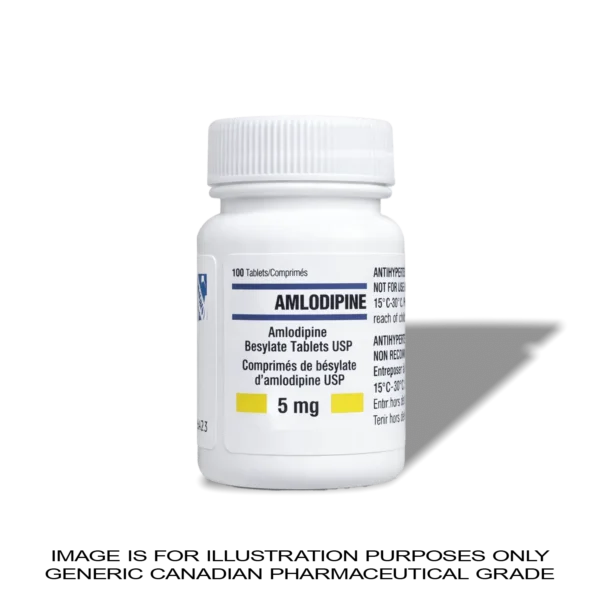
Amlodipine (Norvasc) 5mg is a calcium channel blocker used to help lower high blood pressure and manage certain types of chest pain (angina). It works by relaxing blood vessels and improving blood flow. Each pack contains 100 tablets.
Amlodipine is a prescription dihydropyridine calcium channel blocker (CCB) used primarily for the treatment of hypertension and certain forms of angina. It is the active ingredient in Norvasc® and is commonly supplied as amlodipine besylate in oral tablet formulations. Amlodipine works by inhibiting the movement of calcium ions through L type calcium channels in vascular smooth muscle and cardiac tissue. Its effects are more pronounced on vascular smooth muscle, causing arteries to relax and widen. This reduces peripheral vascular resistance, allowing blood to flow more easily and lowering blood pressure.
Unlike beta blockers, amlodipine does not primarily lower blood pressure by substantially reducing heart rate. During chronic treatment, its vasodilating effect generally lowers blood pressure without causing a clinically significant increase in heart rate. Its gradual onset and relatively long duration of action allow antihypertensive activity to be maintained over approximately 24 hours. Amlodipine is also used in the management of chronic stable angina. By decreasing peripheral resistance, it reduces the workload against which the heart must pump, helping lower myocardial oxygen demand. This can reduce the frequency or severity of exertional chest pain in appropriately selected patients.
It is additionally used for vasospastic (Prinzmetal or variant) angina, where relaxation of coronary vascular smooth muscle can help reduce coronary artery spasm and improve blood flow to the heart.
This product provides:
Active Ingredient: Amlodipine
Common Form: Amlodipine Besylate
Strength: 5mg per tablet
Quantity: 100 Tablets
Drug Class: Dihydropyridine Calcium Channel Blocker
Dosage Form: Oral Tablet
Common Uses: Hypertension and angina
The 5mg strength is a standard amlodipine tablet strength and is commonly used in the management of hypertension and coronary artery disease. Treatment requirements vary according to blood pressure response, age, other medications and the patient’s cardiovascular condition. One of the most common adverse effects associated with amlodipine is peripheral edema, particularly swelling around the ankles and lower legs. This effect is related to dilation of peripheral blood vessels and may become more noticeable at higher doses. Other potential adverse effects can include dizziness, flushing, headache, fatigue, palpitations and low blood pressure. Because amlodipine lowers vascular resistance, patients who are already taking other antihypertensive medications may experience a greater blood pressure lowering effect.
Amlodipine should be used cautiously in individuals with severe aortic stenosis or significant cardiovascular instability, as excessive vasodilation can sometimes contribute to symptomatic hypotension. Rarely, patients with severe obstructive coronary artery disease may experience worsening angina when treatment is initiated or the dose is increased. Amlodipine is extensively metabolized by the liver, and patients with significant hepatic impairment may have slower clearance and greater drug exposure. Dose selection and monitoring may therefore require additional consideration in these individuals.
Amlodipine is a prescription medication and should be used according to the directions and monitoring recommendations of a qualified healthcare professional.
Pack Size Selected
5 Pack Special, Single Pack
Reviews
There are no reviews yet.
Be the first to review “Amlodipine (Norvasc) 5mg – 100 Tablets”Cancel Reply



Reviews
There are no reviews yet.