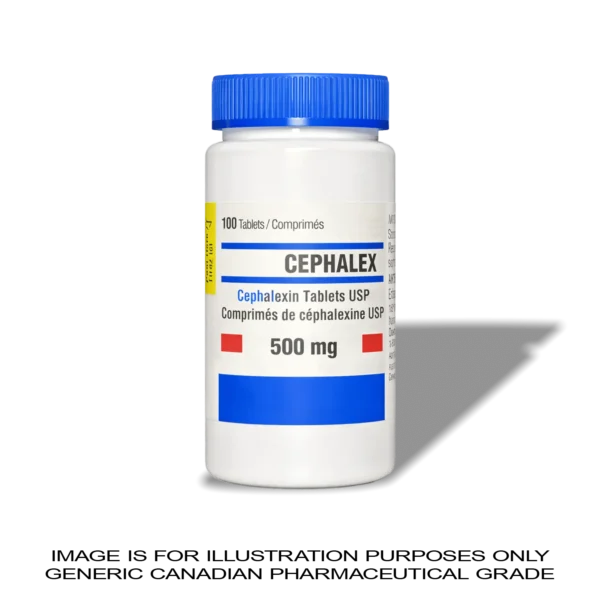
Cephalexin 500mg is a cephalosporin antibiotic used to treat susceptible bacterial infections, including certain skin, respiratory, urinary tract, ear, and bone infections. Each pack contains 100 tablets.
Cephalexin is a first generation cephalosporin antibiotic used for the treatment of bacterial infections caused by susceptible microorganisms. It belongs to the beta lactam family of antibiotics and has activity against a range of Gram positive bacteria as well as selected Gram negative organisms. Oral 500mg cephalexin tablet formulations have been registered as prescription medications in Canada.
Cephalexin works by interfering with bacterial cell wall synthesis. It binds to proteins involved in constructing and maintaining the peptidoglycan layer of the bacterial cell wall, ultimately weakening the cell wall and causing susceptible bacteria to rupture. Because of this mechanism, cephalexin is classified as a bactericidal antibiotic, meaning it directly kills susceptible bacteria rather than simply slowing their growth.
Cephalexin has established clinical uses for susceptible respiratory tract infections, otitis media, skin and soft tissue infections, bone infections, and genitourinary tract infections. Specific susceptible organisms listed in prescribing information include strains of Streptococcus pyogenes, Streptococcus pneumoniae, methicillin susceptible Staphylococcus aureus, Escherichia coli, Klebsiella pneumoniae, Proteus mirabilis, Haemophilus influenzae, and Moraxella catarrhalis.
Cephalexin is not effective against every bacterial species. Methicillin resistant Staphylococcus species and most enterococci are resistant, and cephalexin generally does not provide activity against organisms such as Pseudomonas or Acinetobacter. Antibiotic selection should therefore be based on the suspected infection, local resistance patterns, and susceptibility testing when appropriate.
This product provides:
Active Ingredient: Cephalexin
Strength: 500mg per tablet
Quantity: 100 Tablets
Drug Class: First Generation Cephalosporin Antibiotic
Dosage Form: Oral Tablet
Common Uses: Susceptible skin, respiratory, urinary tract, ear, and bone infections
Cephalexin is absorbed through the gastrointestinal tract and is relatively acid stable, allowing oral administration with or without food. Following a 500mg oral dose, prescribing data report average peak serum concentrations approximately one hour after administration. More than 90% of absorbed cephalexin may be eliminated unchanged through the urine within approximately eight hours, making kidney function an important consideration during treatment.
As with other beta lactam antibiotics, cephalexin can cause allergic reactions, including potentially serious hypersensitivity reactions in susceptible patients. Individuals with a history of severe reactions to cephalosporins or other beta lactam antibiotics should discuss this history with their healthcare professional before treatment.
Common adverse effects can include diarrhea, nausea, vomiting, abdominal discomfort, and indigestion. Antibiotic treatment can also disrupt normal intestinal bacteria and, in some cases, contribute to Clostridioides difficile associated diarrhea, which can range from mild diarrhea to more serious colitis.
Cephalexin should be used only for infections that are proven or strongly suspected to be bacterial. Using antibiotics unnecessarily—for example, for viral infections such as the common cold—can contribute to antimicrobial resistance and reduce the effectiveness of antibiotics when they are genuinely required.
Cephalexin is a prescription antibiotic and should be taken according to the directions of a qualified healthcare professional. The prescribed treatment course should not be changed or stopped early without appropriate medical guidance.
Pack Size Selected
5 Pack Special, Single Pack
Reviews
There are no reviews yet.
Be the first to review “Cephalexin 500mg – 100 Capsules”Cancel Reply


Reviews
There are no reviews yet.