$299.99Original price was: $299.99.$249.99Current price is: $249.99.
Campral (acamprosate) is a medication used primarily to maintain abstinence in people with alcohol dependence by helping restore the balance of neurotransmitter activity in the brain. It is also used as part of a comprehensive treatment program for alcohol use disorder.
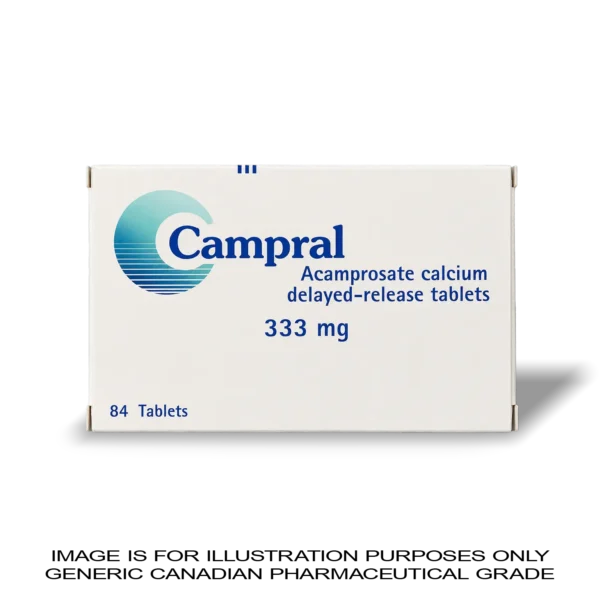
Campral contains acamprosate calcium 333mg, equivalent to approximately 300mg of acamprosate per delayed release tablet. It is a prescription medication used as part of the treatment of alcohol dependence, specifically to help maintain abstinence in individuals who have already stopped consuming alcohol. Treatment is intended to be combined with counselling, behavioral support, or another comprehensive psychosocial treatment program.
The exact mechanism of acamprosate is not completely understood. Chronic alcohol exposure is believed to disrupt the normal balance between excitatory and inhibitory neurotransmission within the brain. Preclinical evidence suggests that acamprosate interacts with both glutamate and GABA neurotransmitter systems, potentially helping restore the altered neurological balance associated with long term alcohol exposure and abstinence.
Unlike disulfiram, Campral does not produce an alcohol aversion reaction if alcohol is consumed. It also does not directly treat or reduce acute alcohol withdrawal symptoms. Its therapeutic role is instead focused on supporting continued abstinence once the initial withdrawal period has passed.
Acamprosate has relatively limited metabolism within the body. It is not metabolized by the liver and is primarily eliminated unchanged through the kidneys. This pharmacokinetic profile makes kidney function particularly important when determining whether acamprosate treatment is appropriate.
This product provides:
Active Ingredient: Acamprosate Calcium
Strength: 333mg per tablet
Quantity: 84 Tablets
Dosage Form: Delayed Release Tablet
Drug Class: Alcohol dependence treatment
Primary Use: Maintenance of alcohol abstinence
Health Canada lists Campral 333mg as a marketed prescription medication containing acamprosate calcium in delayed release tablet form.
Kidney function is an important safety consideration. Dose reduction is required in patients with moderate renal impairment, while acamprosate is contraindicated in patients with severe renal impairment defined in prescribing information as a creatinine clearance of 30mL/min or less.
Reported adverse effects include diarrhea, nausea, dizziness, insomnia, anxiety and gastrointestinal discomfort. Patients receiving acamprosate should also be monitored for depression or suicidal thoughts, particularly because alcohol dependence itself is associated with significant psychiatric risk.
Campral should be used under the supervision of a qualified healthcare professional as part of a broader treatment and recovery program rather than as a standalone treatment for alcohol dependence.
Reviews
There are no reviews yet.
Be the first to review “Campral 333mg – 84 Tablets”Cancel Reply


Reviews
There are no reviews yet.